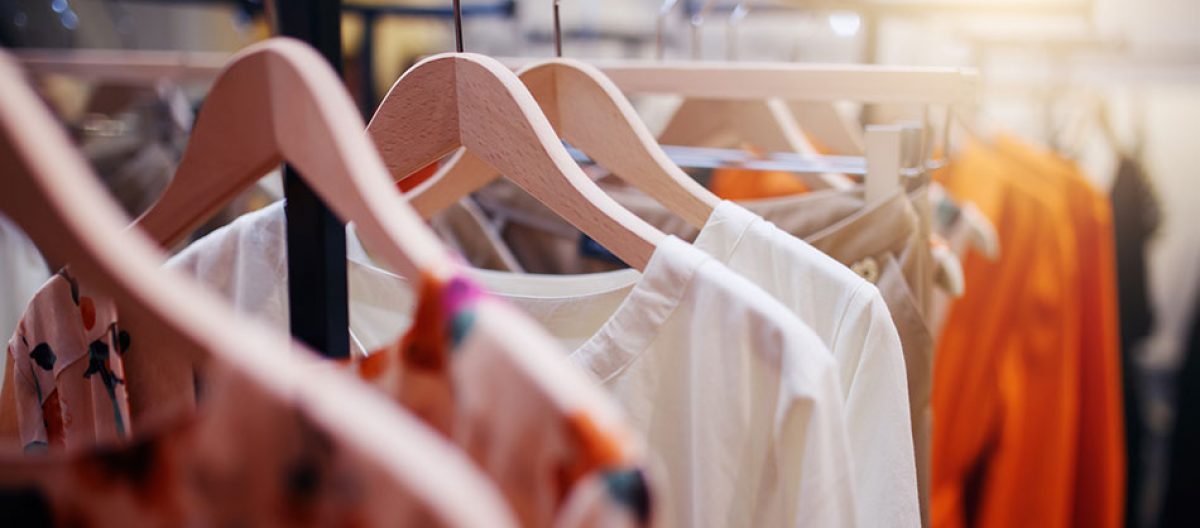

Textile and apparel testing is vital for Fashion Industry and conducted so that apparel manufactures, clothing retailers and wholesalers can estimate and ensure the quality of the garments they manufacture. It is important to note that all standards and regulations encapsulated in the Textile Apparel testing have one or both of the following aims: Safety and Quality. While quality is related more to general consumer satisfaction, safety is an important aspect of products not meeting regulations can jeopardize the health of the consumer.
Usually, a retailer will require that testing be conducted at a third-party laboratory so that factories are not tempted to manipulate the testing results. In addition to avoiding test altering, using a qualified third-party lab will help insure that the “proper” fabric testing method are used.
Several globally recognized standards and practices for testing yarn, fabrics, clothing are applicable for North American and European region and broadly denoted by the name of well-recognized institutions which developed them. Some tests are extremely specialized in nature, but there is a core series of tests that are appropriate depending on the end use of the products. Procedure and equipment may vary among regional labs but basic objectives remain the same.
Explanation of some important tests:
Fiber content: test to determine the fiber composition of textile goods through special, microscopic and chemical methods.
Fabric weight: Test to determine the weight of textile fabrics in garments
Colorfastness to Crocking: Test to evaluate the degree of color, which may be transferred from the surface of the colored textile material to other surfaces by rubbing action such as upholstery, carpet and other wearing apparel in the normal course of use.
Colorfastness to Dry-Cleaning: Test to evaluate the colorfastness property of textiles during commercial dry-cleaning.
Colorfastness to Home Laundering: test to evaluate the colorfastness properties of textiles during actual home laundering process as followed by the consumer.
Colorfastness to Light: Test to evaluate the colorfastness property of textiles when subject to light exposure.

Colorfastness to Ozone: is intended for accessing the Ozone resistance of color of textiles (mostly for denim/jeans).
Colorfastness to Non-Chlorine Bleach: Test to evaluate the colorfastness performance of a textile fabric when subjected to the action of Non-Chlorine Bleach
Colorfastness to Perspiration: Test to evaluate the colorfastness property to Textiles to the effect of perspiration on textile.
Colorfastness to Pool Water: Test to evaluate the colorfastness property of textiles to the effect of chlorinated poor water.
Colorfastness to Sea Water: Test to evaluate the colorfastness property of Textiles to the effect of seawater.
Dimensional stability to dry-clean: Test to determine the dimensional stability (shrinkage or elongation) in woven and knit fabrics when subject to commercial dry-cleaning.
Dimensional stability to Home Laundering: Test to determine the dimensional stability (shrinkage or elongation) in woven and knit fabrics when subjected to home laundering
Appearance Evaluation after Home laundering and dry-cleaning: Test method to evaluate the overall general appearance of a garment and other textile products after repeated home laundering and dry-cleaning.
Seam Slippage: Test to evaluate the resistance to yarn slippage at sewn seams in the woven fabric when a load is applied at seams.
Seam Strength: Test to measure the maximum seam strength which can be achieved in woven fabrics when a force is applied perpendicular to the seam.
Skewness in Fabric: Test to evaluate the percentage of torque in a garment, which may occur during laundering procedures commonly used by consumers at home
Snap/De-snap: test to determine the force required to disengage snap fastness by a pull perpendicular and parallel with the plain of the snap fastener.
Tearing Strength: Test to determine the average force required to continue a tear from a cut in a woven fabric by means of falling apparatus.
Tensile Strength: Test to determine the breaking strength and elongation of most textile fabrics. Not recommended for knit fabrics or fabrics with high stretch value.
Flammability: The purpose of this test is to test and rate the flammability of textiles and discouraging the use of any dangerously flammable clothing.
pH Value: Test to indicate the efficiency of washing operation after various wet treatment either bleaching or scouring.
Formaldehyde: Test to determine the residual presence of Formaldehyde in textile products finished with chemicals containing formaldehyde.
Mechanical Hazard/Sharp edges: Test to evaluate clothing or toys intended for use by infants/toddlers for any measurable risk of injury by laceration or incision.
Mechanical Hard/Sharp Points: Test to evaluate clothing or toys intended for use by infants/toddlers for any measurable risk of injury by puncture or laceration.
Mechanical Hazard/Small parts: Test to evaluate clothing or toys intended for use by infants/toddlers for any unreasonable risk of small parts choking hazard.




 TFTalk